
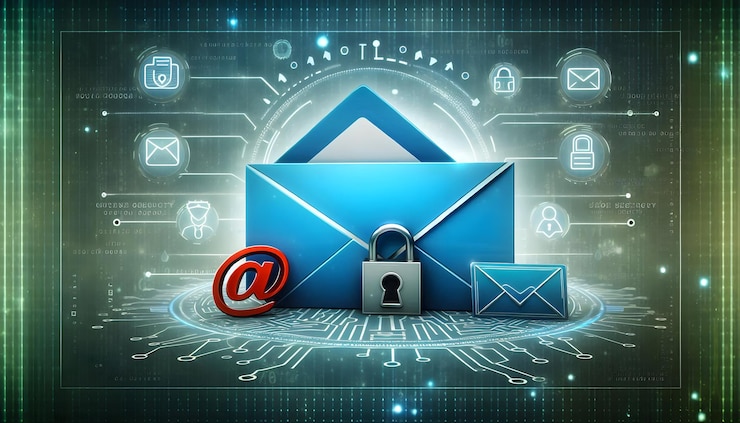
Email has become the backbone of modern communication, connecting businesses, families, and friends across the globe. But as our reliance on email grows, so does its appeal to cybercriminals. From phishing scams to malware-laden attachments, the threats are evolving—and so must our defenses. In this blog, we’ll take you step by step through the essentials of email security, showing you how to stay one step ahead in an age of relentless cyber threats.
Understanding the Modern Email Threat Landscape
The digital world is buzzing with activity, and unfortunately, not all of it is benign. Every day, billions of emails are sent by cybercriminals seeking to exploit vulnerabilities. Phishing attacks, where scammers trick users into revealing sensitive information, have surged dramatically in recent years. Malware, ransomware, and social engineering tactics also lurk in inboxes, waiting for a single careless click to compromise entire networks.
Recent surveys show that nearly every organization has faced an email security incident, with the vast majority experiencing data loss or falling victim to phishing. What’s even more alarming is that many of these attacks use new, previously unseen tactics, making traditional defenses less effective. In this ever-shifting landscape, robust email security is not just a technical necessity—it’s a business imperative.
Building a Strong Foundation: Passwords and Authentication
The first line of defense for email security is often the simplest: strong, unique passwords. Using the same password across multiple accounts is a recipe for disaster. Instead, create complex passwords for every email account and update them regularly. Multi-factor authentication (MFA) adds another crucial layer, requiring a second form of verification—such as a code sent to your phone—before granting access. Even if a password is compromised, MFA can stop attackers in their tracks.
Recognizing and Resisting Phishing Attacks
Phishing remains the most common and effective email-based attack. These deceptive messages often appear to come from trusted sources, urging you to click a link, download an attachment, or provide confidential information. The best defense is vigilance. Always scrutinize the sender’s address, look for subtle misspellings, and be wary of urgent requests or offers that seem too good to be true.
Regular training is essential. Employees should be taught how to spot suspicious emails and encouraged to report anything unusual immediately. Organizations that foster a positive security culture—where everyone feels responsible for email security—are far less likely to fall victim to these scams.
Protecting Against Malicious Attachments and Links
Attachments and embedded links are common vehicles for malware. Never open attachments or click links from unknown or untrusted sources. Even if an email appears legitimate, double-check before taking action. Advanced email security tools can scan attachments and links for malicious content, blocking threats before they reach your inbox.
Leveraging Advanced Email Security Tools and Protocols
Technology is a powerful ally in the fight for email security. Email security gateways, spam filters, and advanced threat detection systems can filter out suspicious messages, block malware, and prevent phishing attempts. Authentication protocols like DMARC, DKIM, and SPF verify that incoming emails are from legitimate sources and haven’t been tampered with. These tools work together to create multiple layers of defense, making it much harder for attackers to slip through.
Encrypting Communications and Avoiding Risky Networks
Think of email as a postcard—unless it’s encrypted, anyone along the delivery route can read its contents. Encryption transforms your emails into unreadable code, protecting sensitive information from prying eyes. Always use encrypted connections when sending or receiving emails, and avoid checking email on public Wi-Fi networks, which are prime targets for cyber snoops.
Logging Out and Staying Vigilant
It’s easy to overlook, but logging out of your email—especially on shared or public devices—is a simple yet vital security step. An unattended, logged-in session is an open invitation for unauthorized access. Make it a habit to log out and set devices to lock automatically after periods of inactivity.
Creating a Culture of Security
The most effective email security strategy goes beyond technology. It’s about creating a culture where everyone understands the risks and their role in defense. Regular training, clear reporting processes, and open communication help ensure that every team member is equipped to recognize and respond to threats.
Staying Ahead: Continuous Improvement
Cyber threats are always evolving, and so must your email security practices. Regularly update your security tools, review policies, and stay informed about the latest threats. Conduct periodic audits and encourage feedback from users to identify gaps and improve your defenses.
Conclusion: Your Inbox, Your Responsibility
In the age of cyber threats, email security is everyone’s responsibility. By understanding the risks, using strong authentication, staying alert to suspicious messages, leveraging advanced tools, and fostering a culture of security, you can keep your inbox—and your organization—one step ahead of cybercriminals. The threats are real, but with the right approach, you can ensure that your email remains a safe and reliable tool for communication.